Cases
BAE Systems - LCC analysis provides decision support for design changes
arrow_backTil oversigten30. juli 2026 | Systecon AB
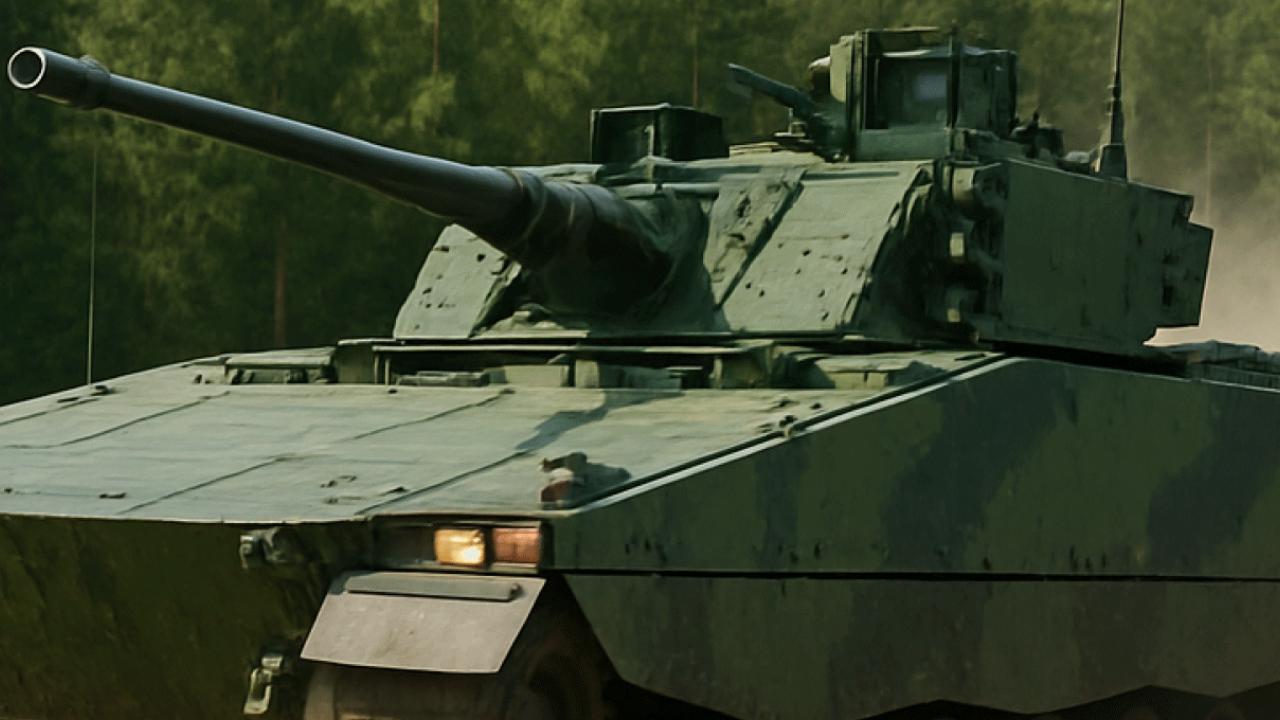
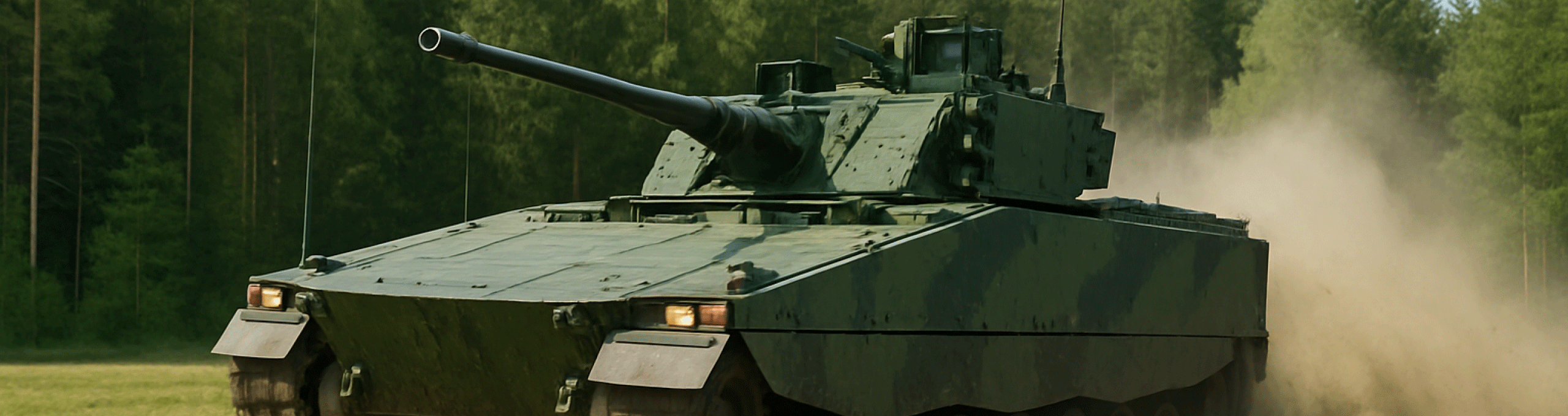
Life Cycle Cost (LCC) analyses shouldn’t only be performed prior to or during the acquisition phase of a system or a product, but also continuously throughout the system’s life cycle. Systecon's analysis of the more than 20-year-old Combat Vehicle 90 is a good example of that.
Life Cycle Cost (LCC) analyses shouldn’t only be performed prior to or during the acquisition phase of a system or a product, but also continuously throughout the system’s life cycle. Systecon's analysis of the more than 20-year-old Combat Vehicle 90 is a good example of that.
BAE Systems, which manufactures the Combat Vehicle 90 (CV 90) was asked by the six user nations to conduct a project that from several perspectives analyzed the possibility to equip the vehicle with bands made of rubber. Traditionally, combat vehicles in this weight class are fitted with steel bands, but now it is possible to fit even heavy vehicles with rubber bands that significantly reduce vibration and noise inside the vehicle.
In addition to vibration analysis and fatigue tests of the new rubber components there was a desire to perform an analysis of the consequences in terms of LCC. By outlining how the investment and operational safety of the two options, steel and rubber, affect the LCC, the analysis would provide a basis for a decision. In simple terms, assuming that the combat vehicle would have a certain availability, which of the alternatives, steel or rubber, would be the cheapest during 15 years of operation?


Casen er skrevet af:
Systecon AB
Systecon – Analysebaseret Life Cycle Management til styrket operativ parathed
Systecon er verdens førende virksomhed inden for analysebaseret Life Cycle Management (LCM). Softwareplatformen Opus Suite gør det muligt for forsvarsmyndigheder og forsvarsindustrien at træffe velunderbyggede, datadrevne beslutninger gennem hele systemets livscyklus – fra koncept og udvikling til anskaffelse, drift og vedligeholdelse.
Med afsæt i årtiers erfaring inden for Life Cycle Management kombinerer Opus Suite avanceret modellering, simulering, optimering og livscyklusomkostningsanalyser for at hjælpe br