Artikler
Integrated Communication for Modern Surface and Subsurface Fleets
arrow_backTil oversigten18. august 2026 | Aeromaritime Systembau GmbH
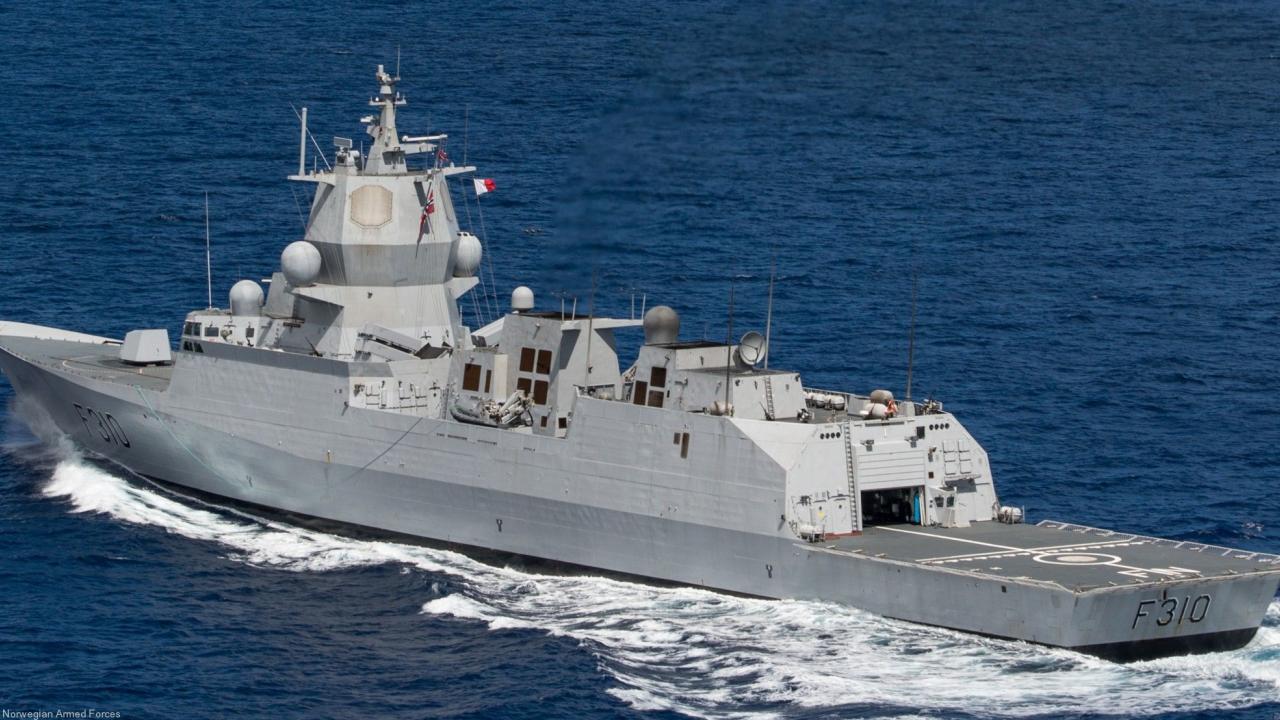
As naval forces move toward networked operations, communication systems are expected to do more: link ship-to-ship, ship-to-shore and ship-to-air traffic, handle secure messaging, and give a single operational picture across forces — with minimal separate hardware and minimal single points of failure. For most Scandinavian navies, that challenge plays out primarily on surface combatants; for the fewer that still operate submarines, it extends underwater as well.
Aeromaritime Group's APCOS® 4000 central switching platform brings a ship's radio, satcom and messaging traffic under a single digital communications network, managed through the COSYMA management software. Secure military messaging runs through SAMMS® (Secure Automatic Military Messaging System), a menu-driven ACP 127 system, alongside IFF Interrogator/Transponder systems for platform identification.
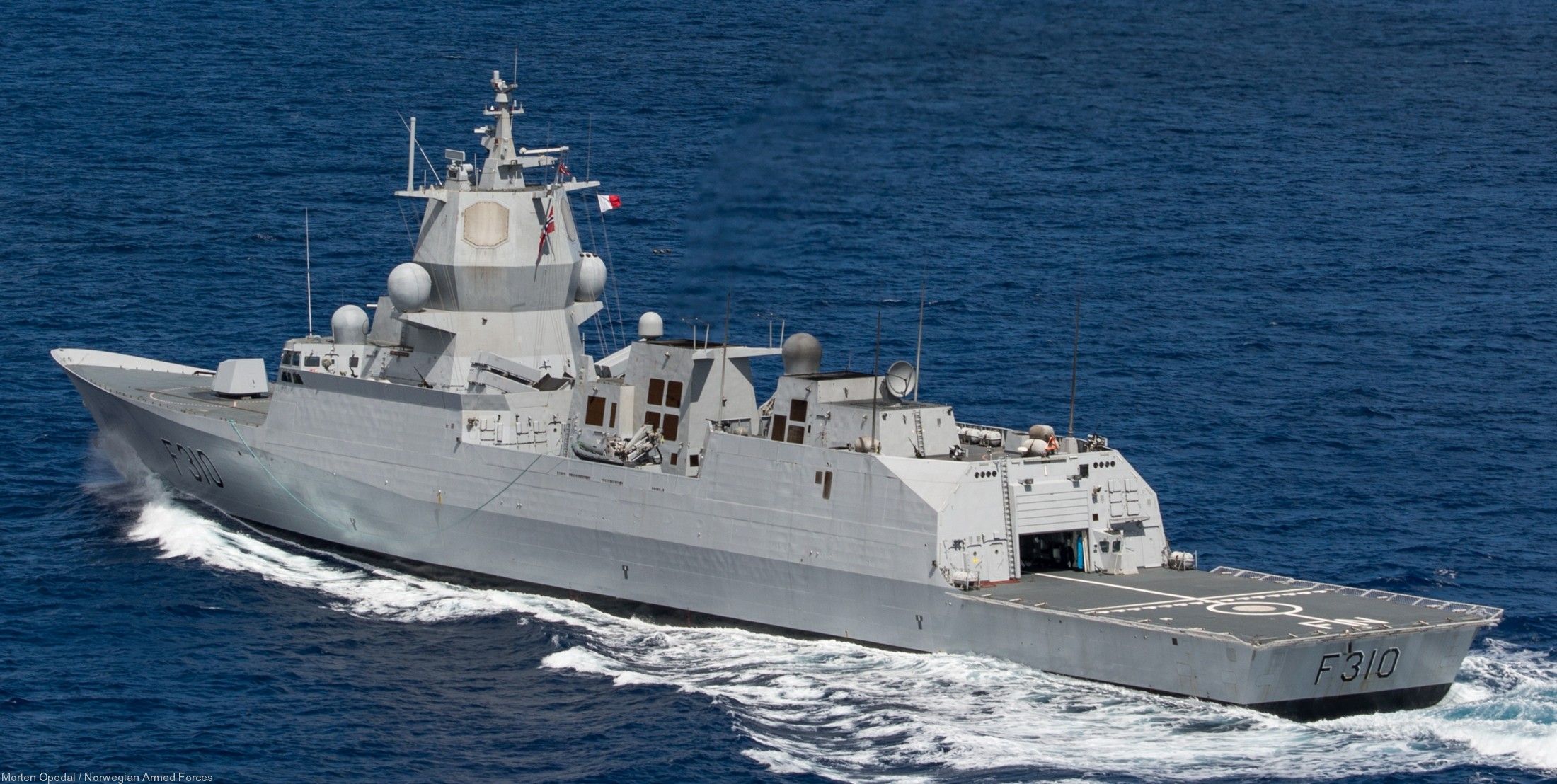
This approach is already deployed on the Royal Norwegian Navy's Fridtjof Nansen Frigates and Skjold-class fast attack craft, where Aeromaritime's integrated system covers HF, VHF and UHF radio links plus satellite communications, supporting NATO Link 11 and Link 16 connectivity — a compact, combined solution rather than separate systems for each function.
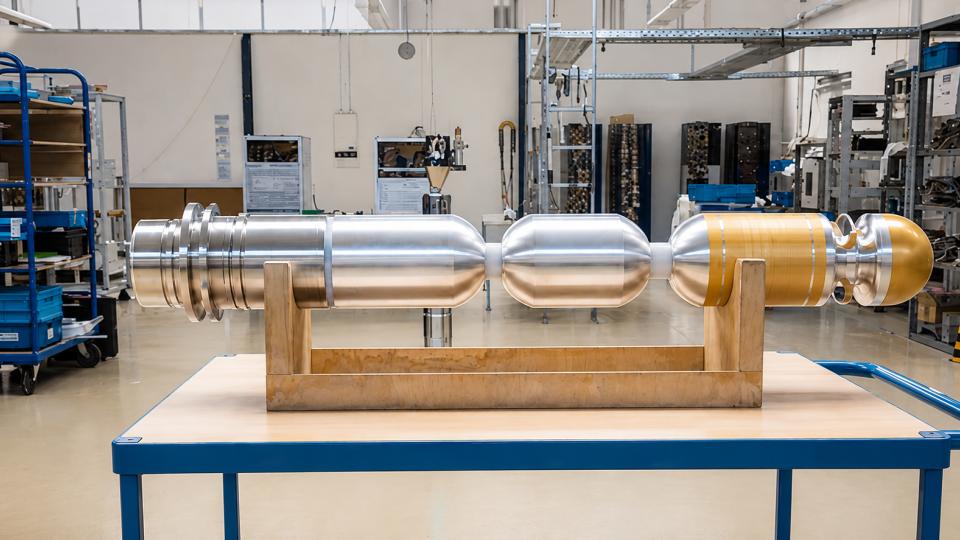
For navies that also operate submarines, the same integration principle extends underwater. Aeromaritime's AT-7000 Multifunctional Submarine Antenna combines signal intelligence detection (COMINT/ELINT) with ship-to-ship, ship-to-shore and ship-to-air communication — including relay coordination with airborne assets such as AWACS — in a single stacked-array unit housed in a fibreglass dome, with full 360° horizontal and 180° vertical coverage.
It shares its form factor with Aeromaritime's earlier AT-4000 Series, allowing it to be fitted to platforms already running AT-4000 hardware without redesigning the installation — the same logic of consolidation applied to the surface systems above.
Whether the platform is a surface combatant or a submarine, the practical case for integration is the same: fewer separate systems means fewer points of failure, simpler maintenance, and — where form factors are compatible — a more straightforward upgrade path than replacing systems one at a time. For Scandinavian navies currently reviewing fleet composition, including surface fleets undergoing frigate renewal, that's the question worth asking of any new communication system: does it consolidate, or does it add another box to the ship.
About Aeromaritime Group
Aeromaritime Group is a leading provider of advanced naval communication and antenna systems, committed to delivering innovative, mission-ready solutions for maritime and undersea defence applications worldwide for over 55 years.
Contact:
Aeromaritime Group
contact@aeromaritime-engineering.fr | +33 2 98 41 62 55 20
info@aeromaritime.de | +49 8165 6171-0
Aeromaritimegroup.com
Ronald Hamon
Technical Sales Manager
r.hamon@aeromaritime-engineering.fr
+33 7 59 71 83 21
Artikel er skrevet af:
Aeromaritime Systembau GmbH
AEROMARITIME Group er en privatejet ingeniørpartner for verdens førende aktører inden for forsvar og sikkerhed. Med mere end 55 års erfaring inden for sikre, åbne kommunikationssystemer har koncernen udviklet sig fra sine rødder i flåden til at levere integrerede maritime kommunikationsløsninger.
AEROMARITIMEs teknologier nyder tillid hos regeringer, forsvarsstyrker og sikkerhedsmyndigheder i mere end 40 lande. Koncernen har datterselskaber i Frankrig, Tyskland og De Forenede Arabiske Emirater samt planer om at etablere sig i Portugal og Tyrkiet.
Som en uafhængig, privatejet koncern kan